Iraq’s water crisis devastates livelihoods, forces mass displacement

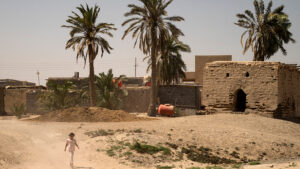
In southern Iraq, a severe environmental disaster is unfolding as the Tigris and Euphrates rivers face extreme drought, pollution, and rising salinity, threatening the livelihoods of millions. Farmers like Umm Ali in Basra province have seen their animals die due to poisoned, brackish water, once a vital source for drinking and irrigation. With salinity levels in the water soaring to over 29,000 parts per million, the water is now closer to seawater than freshwater, unfit for human use and deadly for livestock.
The situation is a result of declining freshwater flow from the rivers, exacerbated by drought, low rainfall, and upstream damming by neighboring countries. This has led to severe agricultural loss, with farmers like Zulaykha Hashem unable to irrigate their crops. The crisis has also forced hundreds of thousands to flee their homes, with internal displacement increasing as water shortages worsen. In Basra, water buffaloes, vital to local communities, are dying from the lack of clean water, highlighting the human cost of the disaster.
This crisis also threatens Iraq’s national stability, with predictions that the Tigris and Euphrates could dry up entirely by 2040 unless action is taken. While the Kurdistan Regional Government has pursued proactive water management strategies, including building dams and reservoirs, the federal government’s response has been criticized as insufficient. In Basra, the brackish water has also devastated the fishing industry, leading to a rise in health issues and social stress within affected communities.